

If you have ever wondered how to choose a CPA, you’re definitely not alone. Many Houston business owners from the Energy Corridor to Downtown face this decision when their financial needs grow more complex.
The truth is, choosing a Certified Public Accountant isn’t just about filing paperwork once a year. A good CPA often becomes a long-term professional resource who may help support tax compliance, financial clarity, and organized recordkeeping. So before signing any agreement, it helps to review a few key factors before making a decision. Below are five important things to check before making that decision.
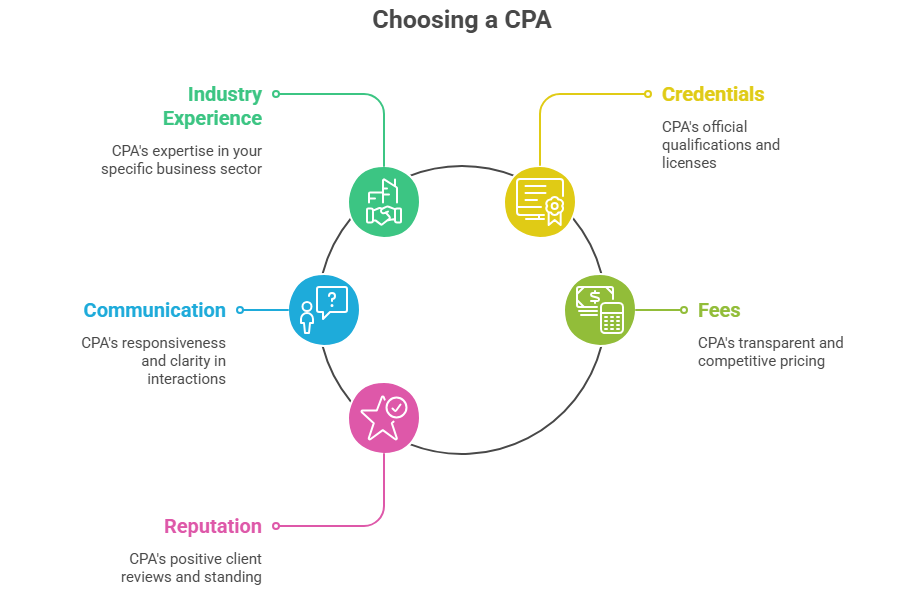
1. Industry Experience and Local Knowledge
One of the first things to consider when thinking about how to choose a CPA is whether they have experience working with businesses or individuals in situations similar to yours.
Houston has a diverse business environment, from oil and gas operations in the Energy Corridor and shipping and logistics firms near the Port of Houston to freelancers and service businesses in Montrose or the Galleria area. Each of these industries may have different recordkeeping patterns, expense categories, and reporting requirements.
A CPA who regularly works with businesses in Houston may already understand common financial workflows and local tax documentation practices. That familiarity can make communication smoother and may help keep the preparation process organized.
If you run a company or manage multiple revenue streams, you might also ask whether the firm handles services like business tax preparation. Understanding their scope of services early on helps clarify whether they work with businesses similar to yours.
2. Verify Credentials and Licensing
Credentials matter in accounting. A Certified Public Accountant designation typically involves extensive education, examination, and continuing professional education requirements. Also, CPAs are required to complete continuing professional education to maintain licensure and to stay updated on evolving tax laws and reporting standards.
Reputable Houston firms are transparent about their qualifications and experience. Many list credentials, areas of practice, and professional memberships on their websites or during initial conversations. These credentials don’t automatically make one CPA the right fit, but they signal that the professional has met formal requirements for the designation.
3. Communication Style and Year-Round Availability
Taxes may only be filed once a year, but financial questions rarely arise on a convenient schedule. That’s why communication style is another factor when deciding how to choose a CPA.
Some firms primarily interact during tax season, while others maintain communication throughout the year. Services like tax planning may include reviewing financial records periodically and discussing potential considerations before filing deadlines approach.
Moreover, when evaluating a CPA, it can be helpful to ask questions such as:
- How often do clients typically communicate with the firm?
- Who handles day-to-day questions?
- Are consultations scheduled in advance?
Clear communication expectations often make the working relationship smoother over time.
4. Fee Structure and Service Transparency
Different CPA firms use different pricing models, which might include hourly billing, flat fees, or recurring service packages. When researching how to choose a CPA, it’s worth asking how services are structured and what is included. A transparent explanation of fees helps avoid confusion later.
Many Houstonians working in areas like Midtown or West University appreciate clarity around billing so they can plan accordingly. Some business owners also prefer firms that offer integrated services such as bookkeeping alongside tax preparation.
The goal here isn’t necessarily to find the lowest price. It’s about understanding the services provided and whether they align with your needs.
5. Reputation and Client Feedback
Another practical step is checking the reputation. Look for consistent feedback about professionalism, responsiveness, and reliability. In Houston, word-of-mouth and professional networks often play a big role. Local referrals from business owners in The Heights or professionals in Sugar Land can provide insight into how a CPA handles client needs.
A Quick Example from a Houston Business Owner
A small service-based business in the Galleria area had been handling bookkeeping independently for several years. As the company grew, tax filings and financial records became more complex.
When exploring how to choose a CPA, the owner began asking questions about local experience, service scope, and communication style. After speaking with a few Houston-based firms, they ultimately selected our team after comparing service scope and communication approach.
While every situation is different, this approach of asking questions and comparing local firms may help business owners feel confident about their choice.
Why Choosing the Right CPA Matters
Selecting a CPA isn’t just about compliance deadlines. Over time, the relationship may influence how financial information is organized, documented, and reported. Labor data suggests the accounting profession is expected to continue growing over the next decade. This reflects steady demand for trained accountants and CPAs who understand evolving tax requirements.
For many Houston business owners and individuals, a CPA becomes a trusted professional who helps interpret financial records and keep filings organized. That’s why taking time to understand how to choose one can be worthwhile before signing any agreement.
FAQs
What are the five core values of an accountant?
Professional accountants are generally expected to follow five core ethical principles: integrity, objectivity, professional competence and due care, confidentiality, and professional behavior. These principles are widely recognized within accounting organizations and help guide responsible financial work.
What questions should you ask before hiring a CPA?
Common questions include asking about local experience, communication style, service scope, and fee structure. These discussions provide insight into whether the CPA’s approach aligns with your expectations.
Do small businesses need a CPA?
Many Houston small business owners choose to work with a CPA when financial reporting, bookkeeping, or tax filings become more complex. While every situation is different, professional support may help make financial processes easier to manage.
How early should you hire a CPA before tax season?
Some individuals and businesses begin searching for a CPA months before deadlines. Starting early allows time to review financial records and determine whether the professional relationship feels like a good fit.
Final Thoughts
Learning how to choose a CPA doesn’t have to be complicated. Asking thoughtful questions, reviewing credentials, understanding services, and evaluating communication style can make the process smoother.
If you’re exploring accounting support in Houston, our team at Dabney Tax & Accounting Services works with businesses and individuals on tax preparation, bookkeeping, and related accounting services. Whether you’re reviewing financial records or organizing bookkeeping, having the right professionals involved may help keep financial reporting and tax preparation more organized over time.


