

Financial statements preparation is what bridges that gap, turning raw transaction data into organized, readable reports that reflect what is actually happening inside a business. We work with local firms across industries who come to us with a general sense of their financial position but no structured way to track, compare, or act on it.
This blog walks through what professional financial statements involve, why they matter for growing businesses, and how regular reporting can support more informed decisions throughout the year.
What Financial Statements Actually Tell You
A professionally prepared set of financial statements generally includes three core reports, each answering a different question about the business.
The income statement shows revenue, expenses, and net income over a defined period. It answers the most basic question a business owner can ask: Is the business making money, and where is it going?
The balance sheet provides a snapshot of the business at a specific point in time, showing what the business owns, what it owes, and what remains as equity. It reflects the overall financial structure of the business rather than just its activity over a period.
The cash flow statement tells how cash moves in the business across operating, investing, and financing activities. A business can show profit on an income statement while still struggling with cash, which is why this report carries its own important perspective that the other two don’t fully capture.
Together, these three documents give business owners, lenders, and potential investors a far more complete picture than any single number or general impression can provide.
Why Professional Preparation Matters
There is a meaningful difference between financial statements that are assembled from disorganized or inconsistently maintained records and those prepared from clean, regularly reconciled books. The first may contain miscategorized transactions, timing errors, and gaps that distort the picture they are supposed to clarify. The second reflects the business as it actually operates.
Our approach to financial statements preparation starts with the underlying bookkeeping. When monthly records are maintained and reconciled consistently, the statements produced from those records are considerably more reliable and more useful for the business owner reviewing them.
For small and mid-sized Houston businesses without dedicated internal accounting staff, professional preparation provides an important layer of oversight that supports both reliability and compliance.
How Regular Reporting Supports Better Decisions
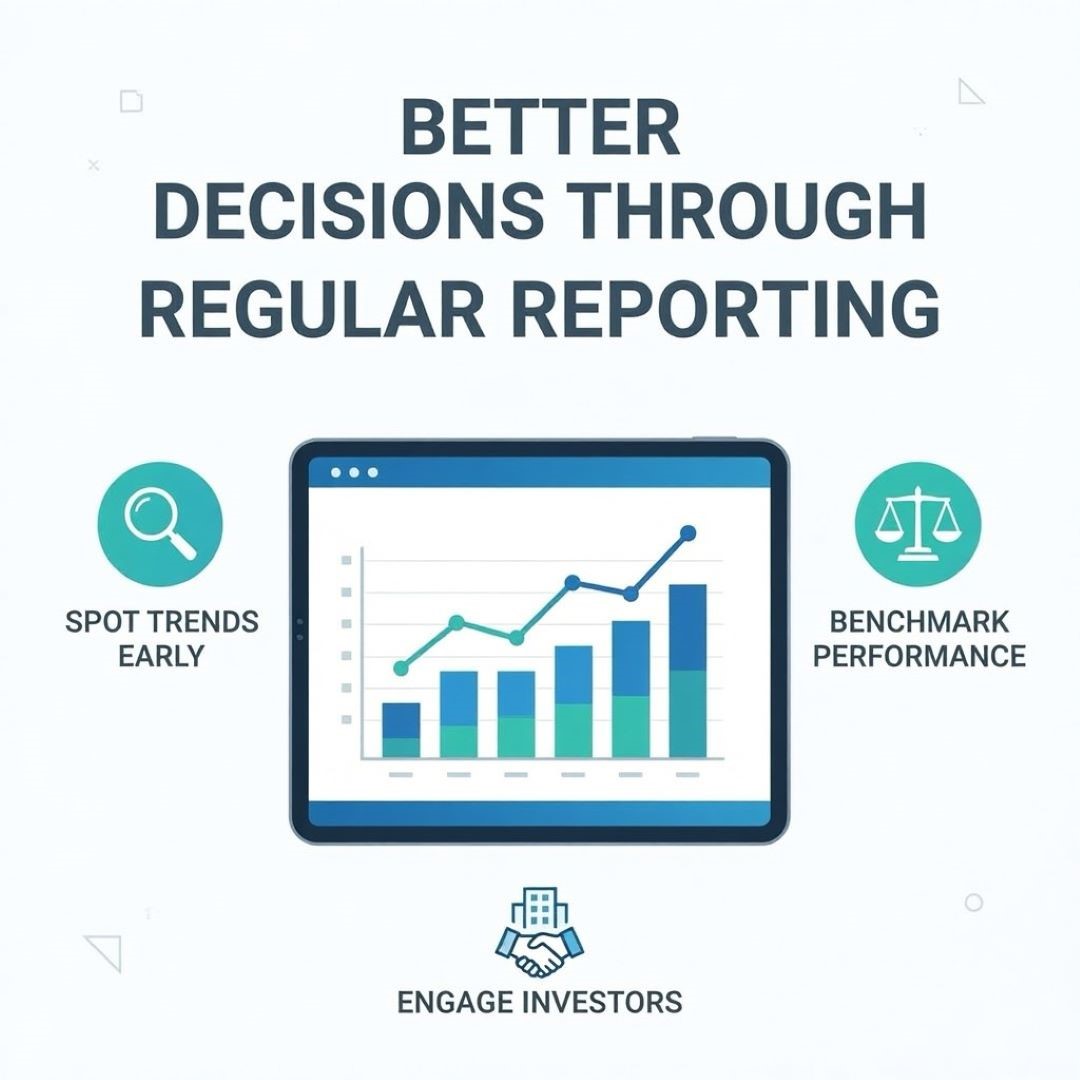
One of the more practical benefits of consistent financial statements preparation is what it does for decision-making throughout the year. Business owners who review monthly financial reports tend to catch issues earlier, identify trends more clearly, and feel more confident when making operational decisions about hiring, pricing, or expansion.
Some of the areas where regular reporting tends to add the most value include
- Spotting revenue or expense trends before they become larger problems, such as a gradual increase in a cost category that might go unnoticed without a monthly comparison.
- Benchmarking performance against prior periods to understand whether the business is growing, holding steady, or declining in specific areas.
- Supporting conversations with lenders or investors who typically require organized internal financial reports before extending credit or considering an investment.
For businesses that want that kind of connected support, bookkeeping and payroll services maintained alongside regular financial reporting tend to produce a more organized and useful set of records throughout the year.
Common Mistakes in Financial Statement Preparation
Not all financial statements are created equal. When records are not maintained carefully, or statements are assembled without a thorough understanding of accounting principles, several issues tend to arise that can distort the picture those reports are supposed to provide.
Misclassifying assets and liabilities on the balance sheet is one of the more common errors, particularly for businesses that have not worked with a professional bookkeeper. Incorrectly categorizing cash flow activities, such as recording an equipment purchase as an operating expense rather than an investing activity, is another area where errors can skew the overall picture in ways that affect how the business appears to outside reviewers.
Incomplete or outdated disclosures are also worth mentioning, particularly for businesses that have experienced structural changes during the year. Keeping financial statements current and reflective of the business as it actually operates is an ongoing responsibility rather than a one-time task.
For Houston-area businesses that want a more detailed view of how their financial reports are performing, financial reporting and analysis can provide the professional review and structured reporting that brings more clarity to those numbers on a consistent basis.
How Financial Statements Connect to Tax Preparation
There is a direct relationship between well-prepared financial statements and a smoother tax preparation process. When income, expenses, and cash flow have been tracked and reported consistently throughout the year, the information needed to complete a business tax return is generally already organized and accessible.
Businesses that arrive at tax time with a full year of professionally prepared financial statements tend to move through preparation more efficiently than those whose records require significant reconstruction before filing can begin. For growing Houston businesses that want both functions handled in a connected way, business tax preparation supported by consistent financial reporting throughout the year provides a more complete and coordinated experience.
FAQs
How often should a small business have its financial statements prepared?
Monthly preparation is generally considered a practical standard for most small to mid-sized businesses. Monthly reports give business owners enough frequency to catch trends and issues before they compound, while still being manageable from a recordkeeping standpoint. Businesses with lower transaction volumes may find quarterly preparation sufficient depending on their needs.
Can financial statements help a business qualify for a loan or line of credit?
In many cases, lenders require organized, professionally prepared financial statements as part of the application process. Having current and well-maintained statements readily available can support a more straightforward lending conversation. Businesses that maintain consistent reporting throughout the year tend to be better positioned when that need arises.
What records are needed to prepare accurate financial statements?
The most commonly needed records include bank and credit card statements, income records such as invoices and payment receipts, expense documentation, payroll records, and any outstanding loan or liability information. When bookkeeping is maintained consistently throughout the year, most of this information is already organized and accessible by the time statements need to be prepared.
See Your Business Clearly, Every Month
Consistent financial statements preparation is not just a compliance exercise. It is one of the more practical tools available to Houston business owners who want to understand their business, track performance, and make more informed decisions without relying on guesswork.
At Dabney Tax & Accounting Services, we work with local firms to provide the bookkeeping, reporting, and tax support that keeps financial records organized, current, and genuinely useful. If your business is ready for that kind of clarity, we’d welcome the conversation.


