
When people think about taxes, one common question is: what is personal property tax, and who has to pay it, and how does it affect us in Houston or elsewhere in Texas? This tax applies to tangible items you own, such as vehicles, machinery, or equipment, and understanding the basics can help taxpayers better understand their local reporting obligations.
Understanding personal property tax can also clarify how local governments fund essential services like schools, roads, and emergency response. For Houston taxpayers, staying organized and informed about these taxes may help align with county requirements and support broader community resources.
Understanding What is Personal Property Tax
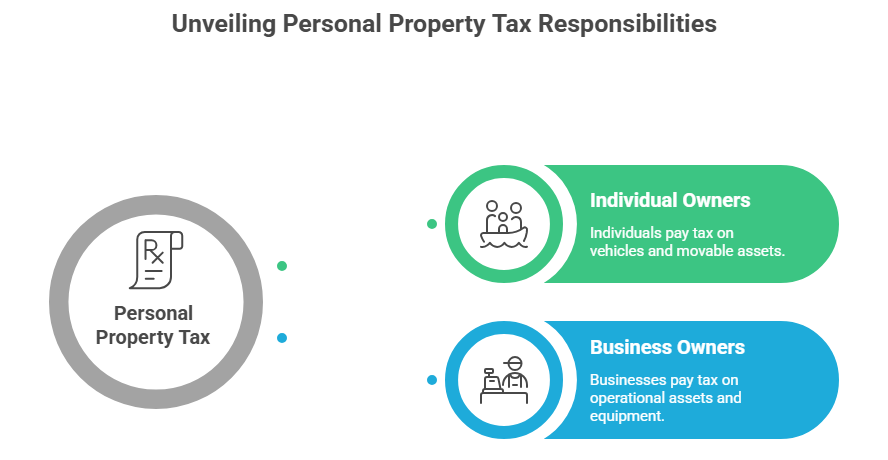
It is an annual local or state tax assessed on physical items that can be moved rather than permanently attached to land. Common examples include:
- Cars, trucks, and motorcycles
- Boats, trailers, and RVs
- Business equipment and machinery
- Office furniture, computers, or tools
This tax is typically an ad valorem tax, meaning the amount owed is connected to the assessed value of the property. Further, property taxes remain one of the primary funding tools for local governments nationwide. Recent fiscal data shows they account for roughly 70% of local tax collections in the U.S., helping support services like emergency response and infrastructure.
Because these taxes apply to tangible property, they focus on physical assets you can see and use, rather than intangible assets like investments or intellectual property.
Who Has to Pay Personal Property Tax
Personal property tax responsibilities may apply to both individuals and businesses, depending on ownership and local jurisdiction.
Individual Owners
In some jurisdictions, individuals may encounter personal property taxes on items such as vehicles, boats, or recreational equipment. Cars, recreational vehicles, boats, or other movable assets may be assessed annually in locations where the tax applies.
For example, our Houston-area clients who own a family SUV and a small fishing boat used for weekend trips along the Gulf Coast. When their annual assessment arrived, both assets were listed separately. Reviewing the notice early allowed them to understand the expected cost and plan ahead instead of facing a surprise later in the year.
Business Owners
Business owners often see a broader impact because operational assets can add up quickly. Examples include:
- Equipment used by HVAC or plumbing contractors
- Restaurant fixtures and kitchen equipment
- Medical or professional office equipment
- Tools used by construction or field service teams
In many cases, business owners don’t immediately realize that office furniture or machinery may be part of personal property reporting. That’s why organized tracking throughout the year can be helpful. During business tax preparation, reviewing equipment lists and fixed assets often supports clearer reporting and fewer surprises at year-end.
How Personal Property Tax Is Assessed
When people ask “what is personal property tax,” they’re often also asking how the value is determined. Local assessors typically review factors such as:
- Review an asset’s market or estimated value
- Apply local assessment percentages
- Issue annual valuation notices
- Send tax bills later in the year
Payment deadlines vary by county, though many jurisdictions issue notices in the fall. In larger metro areas like Houston, timing and assessment procedures may differ slightly depending on the local taxing authority. Also, services focused on tax planning often involve reviewing upcoming obligations so businesses can anticipate costs and avoid rushed decisions.
Practical Ways to Stay Organized
Personal property taxes may feel complicated at first, but maintaining simple habits throughout the year can make the process easier. Helpful practices include:
- Keeping receipts and purchase documentation
- Updating equipment lists when assets are added or sold
- Reviewing assessment notices promptly
- Recording disposal or replacement of assets
- Coordinating bookkeeping and tax records consistently
Following these practical steps, our client, who has a service company in Houston, replaced older field equipment mid-year. Because their records were updated right away, they were better prepared when annual assessments arrived. The process became more about confirmation than correction.
For individuals managing multiple vehicles or mixed personal and business assets, relying on an individual tax preparation service may support accuracy and reduce stress during filing season.
Why This Topic Matters in Houston and Across Texas
Understanding personal property tax in Texas is essential because it can vary depending on location and property type. In Houston and surrounding areas, many local businesses rely heavily on vehicles, tools, and machinery, which may fall into taxable categories.
Industries common across the region, including energy support services, logistics, home services, and small construction firms, often maintain equipment fleets that require ongoing tracking. Even solo contractors who operate one or two vehicles may find that understanding “what is personal property tax” helps them stay more prepared financially.
From a broader perspective, keeping consistent books throughout the year may support smoother financial reporting and clearer conversations during tax season. The goal is education and organization rather than guesswork.
FAQs
1. Why do I have to pay personal property tax?
Personal property tax helps fund local services such as schools, emergency response, and infrastructure. The amount is generally tied to the value of taxable assets.
2. What happens if personal property tax isn’t paid?
Local jurisdictions may apply penalties or additional fees, depending on local policies and timelines.
3. Can businesses include personal property tax as an expense?
Yes, from a tax perspective, businesses may often treat these taxes as operating expenses for accounting and tax purposes, depending on their reporting structure.
4. Does every state collect personal property tax?
No, requirements differ by state and local authority, which is why location plays a key role in whether this tax applies.
Bottom Line
Learning about “what is personal property tax” often begins with a simple question but quickly connects to larger topics like recordkeeping, budgeting, and year-end reporting. For Houston residents and business owners, understanding how vehicles, equipment, and other movable assets are treated can make annual tax processes feel more predictable and manageable.
If you’re unsure how personal property taxes fit into your overall reporting or what applies to your situation, you can contact Dabney Tax & Accounting Services. Our team works with Houston clients on everyday tax preparation and planning needs, helping keep records organized and supporting a smoother experience when tax season comes around.