Working with a CPA for taxes often becomes relevant when a simple return evolves into something that requires more attention. Taxes don’t usually become complicated overnight, but they do have a way of slowly getting there.
We often hear from individuals and business owners across Houston who aren’t sure when to make that shift. Should you keep using software? Is a preparer enough? Or is it time to bring in a CPA? Let’s walk through that together in a practical, real-world way.
What Does a CPA Do for Taxes?
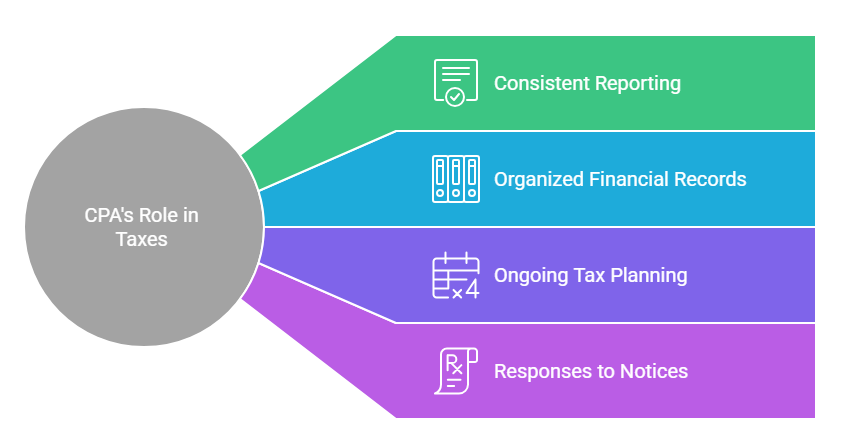
A CPA is a licensed professional trained in accounting, tax reporting, and financial compliance. While many people associate CPAs strictly with filing returns, their role often extends beyond that. From a general perspective, a CPA for taxes may help support:
- Consistent reporting based on current tax regulations
- Organized financial records
- Ongoing tax planning throughout the year
- Responses to notices or documentation requests
When Hiring a CPA Starts to Make Sense
Not everyone needs a CPA. But there are certain situations where working with one may become more relevant.
Business Ownership or Self-Employment
If you run a small business in Houston, manage a service-based company, or work as a freelancer, your taxes are rarely straightforward. Income may fluctuate, expenses need proper categorization, and reporting requirements can vary.
In these cases, working with a CPA for taxes may help keep records organized and aligned with filing requirements. For example, many business owners explore professional support through services like business tax preparation when their bookkeeping and reporting needs grow more detailed.
Multiple Income Streams or Assets
Having more than one source of income, such as consulting work, rental income, or investments, can introduce additional layers to tax reporting. For example, IRS data indicates that amended returns can sometimes take several months to process, which highlights the importance of organized reporting from the start.
From a general standpoint, a CPA may help review how these different income streams are documented and reported together. This is often where tax compliance services become especially relevant.
Major Life Changes
Life events can impact taxes more than people expect. Getting married, purchasing a home in Texas, or transitioning into retirement may shift how your taxes are calculated.
In many cases, individuals begin working with a CPA for taxes during these transitions to better understand how changes may affect their filings.
Time Constraints and Complexity
If tax preparation starts taking longer each year or feels overwhelming, that’s usually a sign that something has changed. Working with a CPA may help streamline the process and reduce the need to revisit errors later.
Why Many People Choose a CPA Over DIY Filing
Here’s where a CPA often adds value in a general sense:
1. Broader Financial Perspective
A CPA may look at patterns over time, which may support more consistent reporting and planning.
2. Ongoing Support
Rather than focusing only on April deadlines, CPAs are often involved throughout the year. This is where year-round tax planning becomes useful for many individuals and businesses.
If you’re exploring this approach, services like tax planning are often structured to support long-term organization rather than one-time filing.
3. Reduced Errors
Even small reporting mistakes can create delays or follow-ups. A CPA may help reduce these risks by reviewing details more closely.
4. Handling Notices or Questions
If a notice comes in, having an established CPA relationship can make it easier to respond appropriately and with proper documentation.
A Client Scenario We Often See in Houston
We recently worked with a Houston-based business owner running a growing home services company. In the early stages, they handled taxes using software, which worked well when operations were relatively simple.
As the business expanded, things naturally became more layered. They began working with subcontractors, expenses increased, and income varied more throughout the year. They had also invested in new equipment and weren’t entirely sure how everything should be reflected in their records.
During our conversations, it became clear they weren’t facing a problem; they were simply dealing with growth. Situations like this are often where working with a CPA for taxes starts to feel more relevant.
Where Individual Tax Support Fits In
Even if you’re not running a business, there are still situations where a CPA may be helpful.
For example:
- Dual-income households
- Individuals with property ownership
- Those with changing financial circumstances
In these cases, services like individual tax preparation are often used to help ensure filings reflect current financial details consistently.
How to Know If It’s the Right Time
There’s no exact moment when someone “must” hire a CPA. But there are signals that often point in that direction:
- Your tax situation feels harder to manage each year
- You’re unsure how to categorize income or expenses
- You’ve experienced a major financial change
- You want more consistency in how your taxes are handled
If any of these sound familiar, it may be worth exploring whether a CPA for taxes fits your current needs.
FAQs About What is a CPA for Taxes
At what point should you get a CPA?
Many people consider working with a CPA when their financial situation becomes more complex or time-consuming. This could include starting a business, experiencing a major life change, or managing multiple income sources. In many cases, early support may help keep records more organized.
Is a CPA better than a tax preparer?
It depends on your situation. A tax preparer may be sufficient for simple filings, while a CPA is typically more suitable for complex or evolving financial scenarios. CPAs are licensed and may provide broader support beyond filing.
Can a CPA help throughout the year?
Yes, many CPAs work with clients year-round. This may include reviewing financial records, discussing upcoming changes, and helping maintain consistency in reporting rather than focusing only on tax season.
Do I need a CPA if my taxes are simple?
Not necessarily. If your income is straightforward and you’re comfortable using software, you may not need a CPA. However, as complexity increases, working with one may become more beneficial.
Final Thoughts
Taxes often involve keeping financial records aligned throughout the year rather than focusing only on filing deadlines. And while not everyone needs a CPA for taxes, there comes a point where having that level of support can make things feel more manageable.
If you’re starting to notice that shift, it may be worth having a conversation with our team at Dabney Tax & Accounting Services. Whether it’s business filings, planning, or individual returns, our goal is to provide guidance in situations that don’t always come with clear answers.