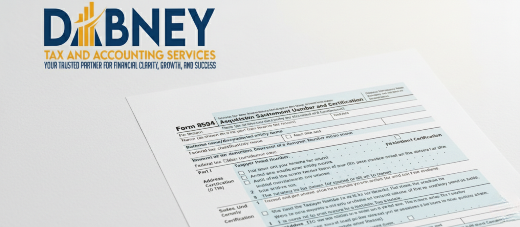
When a business forms a partnership, the paperwork may feel heavier, and one document that may raise questions during asset purchases is Form 8594. In the first moments of reviewing a transaction, many buyers and sellers encounter it and may wonder why it matters and how it fits into the bigger tax picture.
In this guide, we will walk through what this form is generally used for, who typically files it, and how it may connect to CPA in Houston tx.
What Is Form 8594 and Why Does It Exist
Form 8594 is an IRS information form used by both the buyer and the seller when a group of assets that make up a trade or business is sold. From a tax perspective, the form is designed to document how the total purchase price is allocated among different types of assets. In many cases, this form may appear when:
- A business is purchased through an asset sale rather than a stock sale
- Goodwill or going concern value is involved
- The buyer’s tax basis is tied to the purchase price
According to IRS publications, both buyer and seller allocate the sales price using the residual method and report how much of the consideration was assigned to each asset class.
Who Is Required to File Form 8594
Generally, both the purchaser and the seller may file this form with their federal income tax returns for the year the transaction occurs. The form may get attached to common returns such as Forms 1040, 1065, 1120, or 1120-S, depending on how you are filing.
Understanding the Asset Classes Used

One of the most referenced sections of Form 8594 is the required allocation across seven IRS-defined asset classes. This follows the “residual method,” where a value is assigned in a specific order. Here’s a high-level overview of those classes:
- Class I: Cash and bank deposits
- Class II: Actively traded personal property, such as U.S. government securities
- Class III: Accounts receivable
- Class IV: Inventory or property held for sale
- Class V: Other tangible property like equipment, furniture, or vehicles
- Class VI: Identifiable intangible assets other than goodwill, such as patents or non-compete agreements
- Class VII: Goodwill and going concern value
How Asset Allocation Ties Into Financial Reporting
Asset acquisitions may not only affect tax forms but can also flow into a company’s books. Purchase price allocations reported on Form 8594 are often reflected in balance sheets and supporting schedules.
This is where working with an experienced bookkeeping or accounting firm may be helpful because it may support maintaining clear records of asset transactions.
Recording an Asset Acquisition on the Books
From an accounting perspective, acquired assets are generally recorded at cost. This often includes not only the purchase price but also certain costs required to prepare the asset for use, such as delivery or setup. When records are maintained throughout the year, it may help make year-end reporting more straightforward.
What If the Purchase Price Changes After Filing
Business transactions may not always remain static. If the total consideration or allocation changes after the initial filing, both parties typically file a supplemental or amended Form 8594 to reflect the updated information.
Updating the form may assist you in keeping reporting aligned across tax years. From a documentation standpoint, keeping clear records of amendments and related agreements may support consistent future filings.
Real-World Example of Form 8594 Application
During our discussion with our client, who has a service-based business in Katy, he shared his experience with Form 8594 when purchasing the assets of a smaller competitor. The deal included office equipment, client contracts, and goodwill.
During tax preparation season, both parties attach Form 8594 to their returns, reflecting how the purchase price was allocated across tangible assets and goodwill. Because their accounting records were kept current during the year, the reporting process requires fewer follow-up questions.
Scenarios like this are common across Texas industries, including professional services and oil and gas support businesses.
Why Consistency Matters for Tax Preparation
When buyers and sellers report asset allocations differently, it may create avoidable complications. Consistent use of Form 8594 may help both sides present the transaction using the same framework.
Many businesses choose to coordinate this process with a qualified tax professional. While the form itself is informational, it may connect directly to how gains, depreciation, and related items are reflected on the return.
Common Form 8594 Instructions
Many filers look for instructions to better understand what information belongs in each section. The IRS instructions provide general guidance on completing the form, including how to report total consideration and allocate values across asset classes Houston CPA.
For official guidance and the most current version of the form, you may use the IRS website as a reference point.
How This Connects to Ongoing Tax Planning
Asset acquisitions often influence reporting beyond the year of purchase. From a broader perspective, partnering with a qualified tax professional may help businesses understand how current transactions relate to future reporting obligations without assuming specific outcomes.
FAQs
Frequently Asked Questions
Who typically files Form 8594?
Both the buyer and seller generally include this form with their federal income tax returns for the year the asset acquisition occurs, depending on their situation.
How do you record an asset acquisition?
Assets are typically recorded at cost on the balance sheet, including amounts paid to acquire and prepare them for use.
What happens if I don’t file Form 8594?
If a form is missing or filed inconsistently, it can create follow-up questions or additional review during tax reporting.
Does Form 8594 apply to stock sales?
No, the form is generally associated with asset acquisitions rather than stock purchases.
Final Thoughts
Asset purchases often require careful attention for reporting details. Understanding how Form 8594 works and how it connects to accounting records and tax filings may help businesses stay organized as transactions move from closing to reporting.
For assistance, you can contact Dabney Tax & Accounting Services. We focus on supporting businesses in Houston with compliance-focused accounting, reporting, and tax preparation so these transitions feel more manageable and grounded in clear documentation.