
When it comes to running a successful business in Houston, business tax planning and preparation is more than just a year-end checklist. From keeping track of expenses to optimizing deductions, understanding the tax landscape throughout the year may support smoother growth and more manageable cash flow.
By prioritizing tax planning and preparation, businesses may be better positioned to keep financial records organized and aligned with reporting requirements. In this post, we’ll explore key strategies, practical examples, and local considerations that may make your tax season less stressful, while highlighting ways professional support may enhance the process.
Why Business Tax Planning Matters
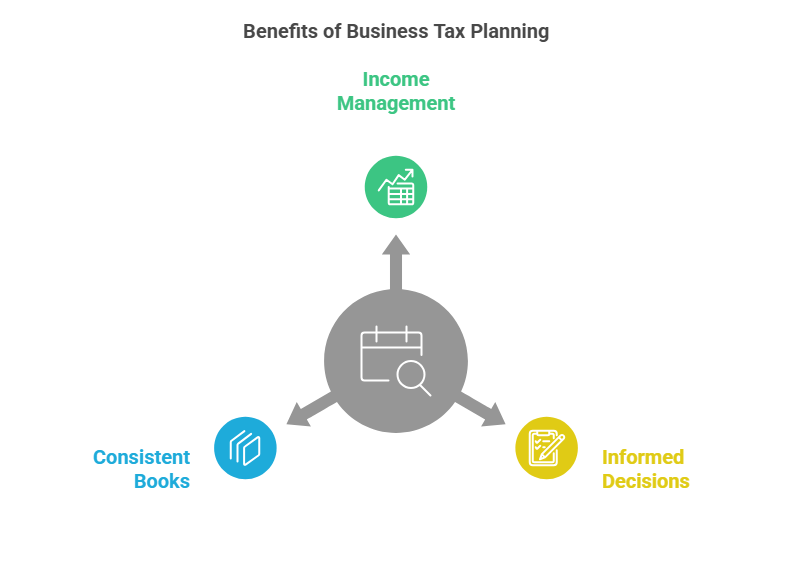
Effective business tax planning and preparation is not solely about compliance; it’s about insight. With the IRS collecting over $5.1 trillion in taxes and processing more than 266 million returns in 2024, effective business tax planning and preparation can play an important role in maintaining organized financial reporting. With careful planning, businesses can:
- Evaluate and manage taxable income over the year.
- Make informed choices about equipment purchases, prepayments, or retirement contributions.
- Keep books consistent, helping reduce the likelihood of missed deductions.
Many Houston-based small business owners, particularly in service industries or the oil and gas sector, find that proactive planning can help them stay organized and responsive as their operations grow. For instance, maintaining up-to-date financial reporting throughout the year may help spot patterns and identify areas where tax strategies may be applied more effectively.
Key Strategies for Smarter Growth
Optimize Your Business Structure
From a tax perspective, the way your business is structured may influence reporting requirements and eligible deductions. Many business owners in Houston choose structures that may better align with their long-term goals and retirement contributions. Regular reviews with a professional may keep your entity setup appropriate for your current situation.
Leverage Deductions and Credits
Maximizing tax deductions where available is an important part of business tax planning and preparation. Strategies can include:
- Using Section 179 for equipment purchases.
- Applying 100% bonus depreciation where applicable.
- Considering contributions to retirement plans like SEP IRAs or Solo 401(k)s.
Case example: A Houston-based home services company approached us in Q3 to review their expenses for the year. By tracking prepayments on insurance and equipment purchases, they were able to adjust their estimated taxable income for the remaining months. This review helped the team better understand their reporting and planning considerations for year-end.
Timing Matters
Strategic timing of revenue and expenses may be part of business tax planning considerations. For example, accelerating certain business expenses or deferring income may help align taxable income with anticipated cash flow. Maintaining consistent, real-time records throughout the year can make this process smoother.
We often see Houston freelancers and small business owners struggle with inconsistent recordkeeping. Using tools for consistent bookkeeping or monthly reconciliations may help them capture deductions they might otherwise miss.
Clean Recordkeeping with Professional Support
Consistent books are the backbone of effective tax planning and preparation. Services like financial reporting and analysis may help businesses maintain organized records, categorize transactions properly, and prepare for quarterly estimated payments.
Good recordkeeping practices may also support clearer documentation if questions arise later and allow for quicker, more confident decision-making throughout the year. Many of our clients notice that once their books are maintained monthly, preparing for year-end taxes is significantly less stressful.
Managing Quarterly Payments
Quarterly estimated payments are a crucial piece of tax planning, especially for businesses with fluctuating revenue streams. Verifying that estimated payments align with current performance may help businesses plan cash flow more effectively.
Working with a tax professional familiar with Texas rules may offer guidance on payment timing and help identify any local considerations for Houston-based businesses.
Utilizing Tax-Advantaged Accounts
Retirement and healthcare accounts, such as HSAs, SEP IRAs, and Solo 401(k)s, are often part of proactive business tax planning and preparation. Contributions to these accounts may contribute to changes in taxable income depending on the taxpayer’s situation. While outcomes vary, setting up these accounts thoughtfully can be part of a comprehensive tax approach.
For businesses considering these strategies, services like business tax planning may provide support in reviewing options and documenting contributions consistently.
Preparing for Year-End and Compliance
As year-end approaches, reviewing your finances and taking last-minute planning steps may help streamline preparation. Tasks may include:
- Checking for new state obligations (nexus) when operating in multiple regions.
- Reviewing payroll and expense records for completeness.
- Verifying that any tax-advantaged accounts are funded appropriately.
Professional services like business tax preparation may assist in organizing all documents, reviewing reporting, and ensuring that the year-end process aligns with accounting best practices.
FAQs
1. What is the difference between tax planning and tax preparation?
Tax planning involves proactive decisions throughout the year to manage taxable income and leverage deductions. Tax preparation is the process of filing the tax return consistently at year-end using all documented records.
2. How often should a business review its tax strategies?
Many businesses find quarterly or semi-annual reviews useful to keep strategies aligned with revenue changes and operational developments.
3. Are deductions like equipment purchases or retirement contributions automatically applied?
Not always. Consistent recordkeeping and professional oversight may help ensure all eligible deductions are captured.
4. Can I manage business tax planning without a CPA?
Yes, you can. Some businesses handle basic bookkeeping independently, but professional support may offer clarity, help maintain organized records, and guide planning decisions based on compliance standards.
Bottom Line
Proactive business tax planning and preparation is a year-round effort that combines organized recordkeeping, strategic timing, and informed decision-making. By staying engaged throughout the year and leveraging professional support, businesses may better manage their reporting responsibilities and focus on growth.
For Houston businesses seeking guidance, our team at Dabney Tax & Accounting Services may help support organized planning and year-end preparation. From monthly bookkeeping and financial reporting to comprehensive tax planning and preparation services, we aim to provide guidance while keeping compliance and best practices at the forefront.