Working with a CPA for real estate investors may be a practical step for investors looking to keep financial records organized.
In markets like Houston, where rental activity, short-term projects, and multi-property ownership are common, the role of a CPA often extends beyond basic tax filing; it becomes part of how investors keep their financial picture clearer throughout the year.
Why Real Estate Investors Face Unique Tax Challenges
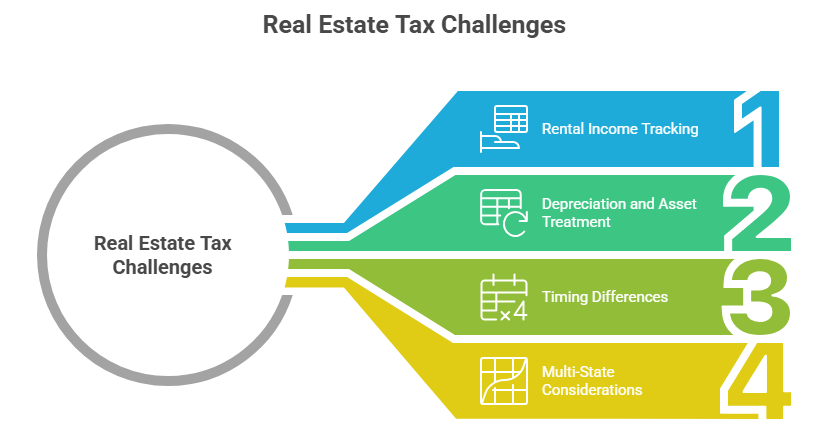
Real estate doesn’t always follow the same patterns as a typical business. Income may come from multiple properties, expenses can vary, and tax treatment may differ depending on how long a property is held. From a general perspective, investors often deal with:
- Rental income tracking across properties
- Depreciation and long-term asset treatment
- Timing differences between expenses and income
- Multi-state considerations in some cases
A CPA for real estate investors may help bring structure to these moving parts, making financial reporting feel more manageable over time. Further, according to the U.S. Census Bureau, rental properties account for more than 30% of occupied housing in the country. As more investors enter this space, tax planning becomes an important consideration for many investors.
Understanding Tax Planning in Real Estate
Tax planning in real estate is less about last-minute filing and more about maintaining clarity throughout the year. Many investors find that consistent recordkeeping and periodic reviews may help support more reliable reporting. Some commonly discussed concepts include:
- Depreciation and how it applies to property assets
- Timing of income recognition
- Treatment of repair vs. improvement expenses
For example, investors who maintain well-organized financial records throughout the year may find that tax preparation feels more straightforward and less reactive.
The Role of a CPA Beyond Tax Filing
A common misconception is that a CPA only steps in once a year. In reality, many real estate investors interact with a CPA periodically to keep financial data organized. A CPA for real estate investors may support ongoing bookkeeping clarity, categorization of property-related expenses, and review financial records for consistency.
In practice, this often connects closely with services like business tax preparation, where well-maintained records can support more consistent filings.
Depreciation, Deductions, and What Investors Should Know
Depreciation is one of those topics that sounds simple at first but becomes more nuanced over time. While it generally allows property owners to allocate the cost of a property asset over time under current tax rules, the details can vary depending on property type and usage.
Similarly, deductions, whether related to maintenance, property management, or utilities, often depend on how well transactions are tracked. This is where rental property tax deductions become relevant, especially for investors managing multiple units.
A Real-World Scenario from Houston
We recently came across a situation that might sound familiar. A Houston-based investor owned three rental properties and had recently completed a renovation on one of them. Their records were spread across different places.
Over time, they began organizing their transactions monthly and reviewing their numbers more consistently. As a result, the process of tax preparation felt more manageable, and they had a clearer view of their income and expenses.
Entity Structures and Compliance Considerations
You’ll often hear discussions around LLCs, S-Corps, and other structures in real estate investing. From a tax perspective, these structures may influence how income is reported, but they also come with ongoing compliance considerations. Rather than focusing on structure selection as a one-size-fits-all decision, many investors prioritize:
- Keeping financial records organized
- Separating business and personal expenses
- Maintaining consistency in reporting practices
A CPA for real estate investors may help keep reporting aligned with the structure already in place, without stepping into legal determinations.
Managing Passive Activity and Loss Tracking
Another area that tends to raise questions is passive activity rules. While the specifics can vary, investors often benefit from:
- Keeping detailed financial records
- Tracking unused losses over time
- Reviewing financials periodically
In many cases, consistent documentation may help support how these items are reflected during tax preparation.
Staying Organized Year-Round
One of the biggest shifts we see among real estate investors is moving from reactive to a more consistent financial organization. Instead of scrambling during tax season, many investors:
- Reconcile accounts monthly
- Categorize transactions consistently
- Review financial summaries periodically
This approach often aligns naturally with services like tax planning, where the focus is on maintaining clarity throughout the year. A CPA for real estate investors can play a role in maintaining that consistency over time.
Individual vs Business Tax Considerations
Real estate income doesn’t always fall into a single category. Some investors hold properties individually, while others operate through business entities.
Because of that, reporting may involve both personal and business-level considerations. In these situations, services like individual tax preparation can complement broader reporting needs.
Choosing the Right CPA for Real Estate Investors
Not all CPAs work regularly with real estate clients, and that’s completely fine. However, for investors, familiarity with real estate-related reporting can make communication smoother. It’s less about finding someone who promises outcomes and more about finding someone who understands the workflow.
FAQs
1. What does a CPA for real estate investors typically do?
A CPA for real estate investors generally focuses on organizing financial records, supporting consistent tax reporting, and helping maintain clarity in how income and expenses are tracked.
2. Is tax planning important for real estate investors?
In many cases, ongoing tax planning may help investors stay organized and better understand how their financial activity will be reported during filing season.
3. How is real estate taxed differently from other income?
Real estate income may involve factors like depreciation, rental income classification, and passive activity considerations, which can differ from standard business income.
4. Do I need separate accounting for each property?
Not always, but many investors find that tracking income and expenses by property may help improve visibility and organization.
Building Confidence in Your Numbers
Real estate investing comes with enough moving parts. Working with a CPA for real estate investors may help bring more structure, consistency, and clarity to how financial information is handled over time.
At Dabney Tax & Accounting Services, we work with business owners and investors across Houston and Texas, focusing on practical, organized approaches to bookkeeping and tax preparation. It’s about helping you maintain organized financial records in a way that feels steady and sustainable.