
Paying taxes can feel like a maze, especially when you’re self-employed or running a small business. Understanding how to pay quarterly taxes is essential to staying organized and avoiding surprises at the end of the year.
In this guide, we’ll walk through the essentials of paying quarterly taxes, why they matter, and practical steps to make the process manageable for Houston business owners and freelancers alike.
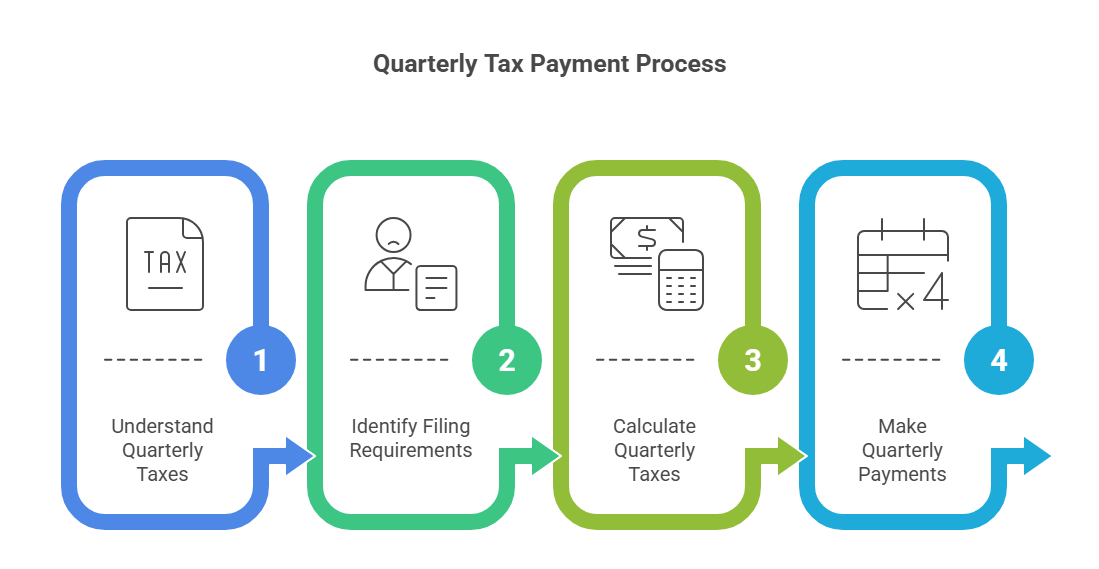
Understanding Quarterly Taxes
Many business owners in Houston ask, what are quarterly payments, and why do they matter?
In simple terms, quarterly taxes are estimated payments made to the IRS throughout the year. Instead of waiting until April 15 to settle your tax bill, the IRS expects individuals with significant non-withheld income, such as self-employed professionals or contractors, to submit estimated payments four times per year. This may help taxpayers spread their liability over the year.
Keeping consistent records of your income and expenses may make this process smoother. Houston business owners, particularly in industries like service businesses or oil and gas consulting, often benefit from maintaining organized books. Utilizing financial reporting and analysis may support estimating quarterly obligations and provide a clearer picture of your cash flow.
Who Needs to File Quarterly Taxes
If you’re wondering whether you fall into the category of those required to pay estimated taxes, self-employed quarterly taxes may apply to you. Freelancers, independent contractors, and small business owners who don’t have taxes withheld from their income often need to submit quarterly payments.
Take the example of a Houston-based freelance graphic designer who earns income from multiple clients. By keeping track of invoices and categorizing expenses, she can estimate her quarterly payments and avoid an unexpectedly large bill at the end of the year.
While each taxpayer’s situation varies, understanding how to pay quarterly taxes 1099 and the requirement for self-employed quarterly taxes may help you plan ahead and stay on top of your obligations.
How to Calculate Your Quarterly Taxes
Calculating your quarterly taxes doesn’t need to be intimidating. At a high level, you can base your estimates on your income, expenses, and past tax returns. One compliance-safe approach is to use the IRS safe harbor rules, including IRS safe harbor rules such as paying at least 90% of the current year’s liability or 100% (110% for higher-income taxpayers) of the prior year’s tax, which may help avoid underpayment penalties by paying a portion of your expected liability.
Professional guidance may make this process more manageable. Many Houston business owners choose to leverage tax planning services to support consistent projections of quarterly obligations.
By reviewing prior year returns, expected revenue, and anticipated deductions, tax planning may help identify periods when adjustments to quarterly payments may be appropriate.
How to Make Quarterly Payments
Once you know how much to pay, the next step is making quarterly estimated payments. The IRS provides several options:
- Online payments through IRS Direct Pay or the Electronic Federal Tax Payment System (EFTPS)
- Mailing a check or money order with a payment voucher
Online payments are generally faster and provide immediate confirmation, which can be reassuring for Houston business owners managing multiple income streams. Choosing the method that works best for you depends on your comfort level with digital systems and whether you want instant verification of payment.
When filing quarterly taxes, it is often helpful to maintain a schedule of due dates. Missing a deadline could result in penalties, so staying organized and proactive is key.
Deadlines and Penalties
Understanding deadlines is crucial. Quarterly taxes are due four times a year, and although missing a payment doesn’t automatically trigger an audit, penalties may apply. The IRS uses safe harbor rules to reduce penalties if you pay a minimum 90% of your current year’s liability or 100% (110% for higher incomes) of the previous year’s tax.
Houston business owners may encounter seasonal fluctuations in income, which can make estimating payments tricky. Working with business tax preparation professionals can support timely filings and help you stay informed about upcoming deadlines without attempting to provide individualized advice.
A Client Example from Houston
Our client runs a local service company and receives payments from several clients throughout the year. Because her income varies month to month, estimating quarterly taxes initially felt confusing. Like many small business owners, she was unsure how to pay quarterly taxes or how much to set aside each quarter.
During our discussions, we reviewed her income trends and bookkeeping records from earlier in the year. With organized financial information in place, it became easier to estimate quarterly obligations and keep track of due dates.
While every taxpayer’s situation is different, this type of example reflects a common scenario among Houston entrepreneurs. When financial records are maintained regularly and quarterly deadlines are monitored throughout the year, the process of paying quarterly taxes may often feel more manageable.
FAQs About Paying Quarterly Taxes
Is it better to pay the IRS online or by mail?
Online payments are generally faster and provides confirmation of receipt, giving peace of mind that your payment was received on time. Mailing a check is an option, but it may take longer to process.
What is the 90% rule for estimated tax payments?
The 90% tax rule refers to an IRS safe harbor that helps taxpayers avoid underpayment penalties. It generally requires paying at least 90% of the current year’s total tax liability, or 100% (or 110% for higher incomes) of the prior year’s tax, whichever is smaller.
How do I know if I need to pay quarterly taxes?
Typically, self-employed individuals, freelancers, and small business owners with income not subject to withholding may need to pay quarterly taxes. Reviewing past returns and expected income can help determine if this applies to your situation.
Can I adjust my quarterly payments if my income fluctuates?
Yes, quarterly payments can be adjusted based on changes in income. Keeping consistent financial records and reviewing estimates regularly may help maintain compliance and reduce potential penalties.
Conclusion
Managing quarterly taxes may feel complex, but staying organized and informed can make a difference. From learning how to pay quarterly taxes to maintaining consistent records and understanding payment requirements, Houston business owners may navigate the process more confidently.
At Dabney Tax & Accounting Services, we support clients with financial reporting, tax planning, and business tax preparation, helping small business owners stay on top of quarterly obligations in a compliance-safe way. Whether you’re filing your first quarterly payment or refining your approach, professional support may help you manage the process with clarity and confidence.


